
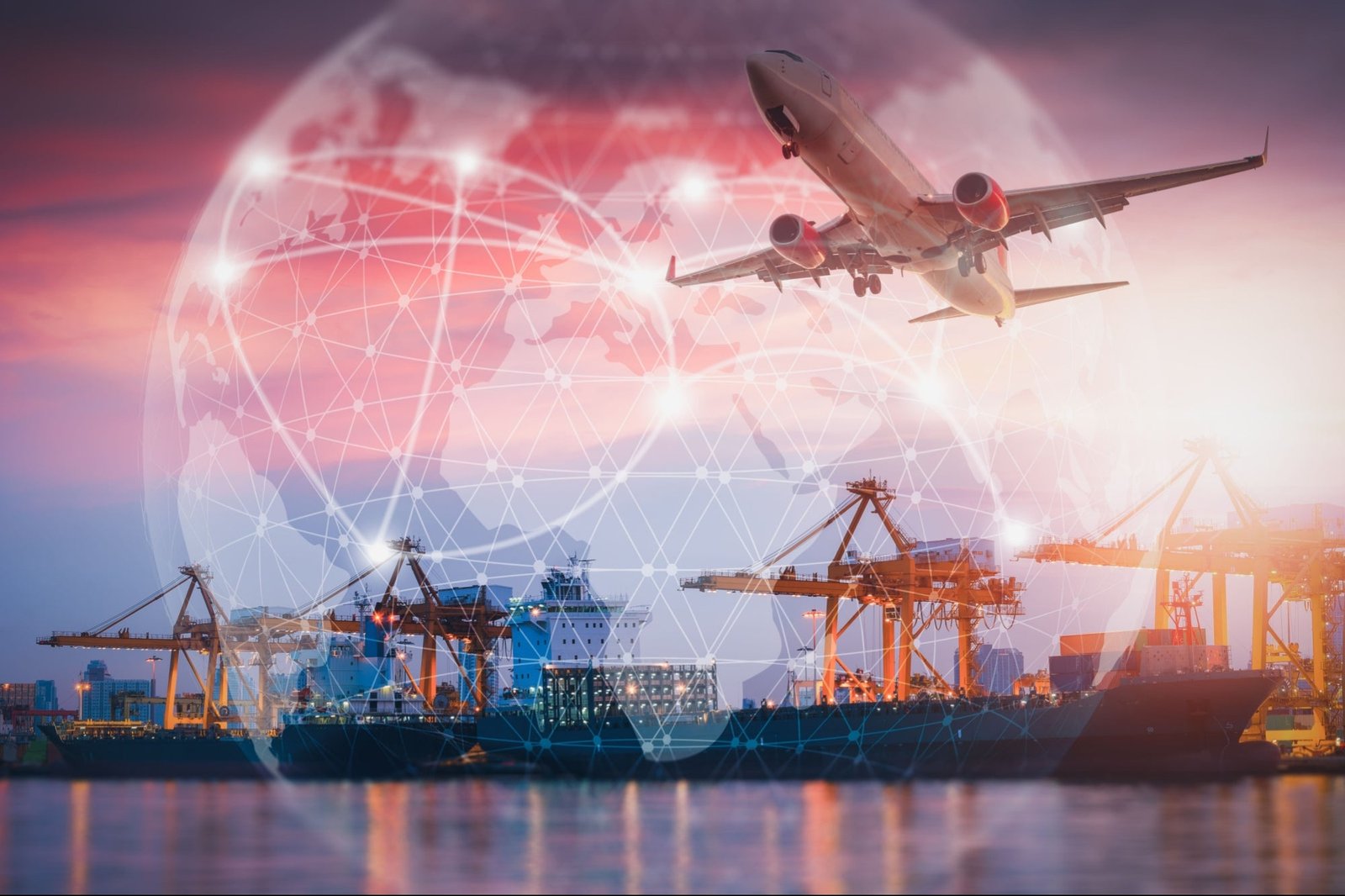
International trade has been a cornerstone of global economic development for centuries, but recent advancements in technology are transforming the way global commerce is conducted. As we progress through 2024, technological innovations are playing a pivotal role in enhancing trade efficiency, improving transparency, and creating new opportunities for businesses to engage in cross-border trade. From digital platforms to artificial intelligence (AI) and blockchain, these technologies are reshaping the landscape of international trade in unprecedented ways.
This article explores the key technological trends driving international trade and how businesses can leverage these advancements to stay competitive in the global market.
1. The Digitalization of Trade Processes
Digitalization is one of the most significant drivers of change in international trade. Traditional trade processes often involved extensive paperwork, time-consuming customs procedures, and reliance on intermediaries. However, with the rise of digital platforms, many of these barriers are being removed, leading to faster, more efficient, and more transparent transactions.
Trade platforms and e-commerce: The growth of digital trade platforms, such as Alibaba, Amazon, and Shopify, has made it easier for businesses of all sizes to engage in cross-border trade. These platforms provide access to global markets, allowing businesses to showcase their products to a broader audience. Small and medium-sized enterprises (SMEs) that once struggled to compete in international markets now have the opportunity to reach consumers and buyers worldwide with minimal barriers to entry.
Automation and AI-driven processes: AI is being used to automate various trade processes, from order fulfillment to inventory management and demand forecasting. AI-powered systems can analyze vast amounts of data in real-time, helping businesses make informed decisions about pricing, production, and shipping. By automating routine tasks and optimizing operations, businesses can reduce costs, eliminate errors, and speed up their trade processes.
2. Blockchain Technology and Smart Contracts
Blockchain technology has been a game-changer for industries worldwide, and international trade is no exception. By providing a decentralized and tamper-proof ledger for transactions, blockchain enhances the security, transparency, and efficiency of global trade.
Blockchain for trade finance: One of the major applications of blockchain in international trade is in trade finance. Traditionally, trade finance relies on a complex web of banks, insurers, and intermediaries to facilitate transactions. Blockchain simplifies this process by creating a digital record of the entire transaction, ensuring that all parties involved have access to the same information. This reduces the need for intermediaries, minimizes the risk of fraud, and speeds up the payment process.
Smart contracts: Another important aspect of blockchain technology is the use of smart contracts. These are self-executing contracts with the terms of the agreement written into code. When certain conditions are met, the contract automatically executes, eliminating the need for manual verification or third-party intervention. Smart contracts can be used in international trade to automate the settlement of payments, delivery of goods, and other trade-related tasks.
By leveraging blockchain technology, businesses can reduce costs, increase transparency, and build greater trust with their international partners.
3. Artificial Intelligence (AI) and Machine Learning (ML)
AI and machine learning (ML) are revolutionizing how businesses approach global trade. These technologies allow companies to analyze data, forecast market trends, and optimize supply chain operations more efficiently than ever before.
AI for demand forecasting: One of the critical challenges in international trade is predicting demand accurately. AI-powered algorithms can analyze historical sales data, market trends, and external factors such as economic conditions and consumer behavior to provide accurate demand forecasts. This helps businesses adjust their production levels, inventory management, and shipping schedules to meet market demand more effectively.
Supply chain optimization: AI and ML are also transforming supply chain management. These technologies can analyze data from multiple sources, such as suppliers, shipping providers, and customs agencies, to identify potential bottlenecks or delays in the supply chain. By predicting disruptions and optimizing routes, businesses can reduce lead times, minimize costs, and ensure timely delivery of goods.
AI in customs clearance: AI is being used to streamline customs clearance processes by automating document verification and ensuring compliance with regulations. This reduces the time and effort required for customs checks, helping businesses move their goods across borders more quickly.
4. Internet of Things (IoT) and Smart Logistics
The Internet of Things (IoT) is playing an increasingly important role in international trade, particularly in logistics and supply chain management. IoT devices, such as smart sensors, allow businesses to track shipments in real-time, monitor the condition of goods, and optimize transportation routes.
Real-time shipment tracking: IoT sensors can be attached to containers, vehicles, or individual products, providing real-time data on the location and condition of goods as they move through the supply chain. This enables businesses to monitor the status of their shipments and address any issues, such as delays or temperature fluctuations, before they become critical problems.
Improved inventory management: IoT technology can also be used to manage inventory more effectively. Smart sensors can track inventory levels in real-time, allowing businesses to restock products automatically when they run low. This ensures that businesses can meet customer demand without overstocking, reducing storage costs and waste.
By using IoT devices to monitor shipments and inventory, businesses can enhance supply chain visibility, improve operational efficiency, and reduce the risk of product damage during transit.
5. Data Analytics and Big Data in Trade
The ability to analyze large datasets, often referred to as “big data,” is becoming a competitive advantage for businesses involved in international trade. With the right data analytics tools, companies can gain valuable insights into market trends, consumer preferences, and trade patterns, allowing them to make more informed decisions.
Market insights and trend forecasting: Big data allows businesses to track and analyze trade flows, customer behavior, and economic indicators in real-time. This helps companies identify emerging markets, understand customer preferences, and adjust their strategies accordingly. Businesses that can harness the power of data analytics are better equipped to respond to market shifts and capitalize on new opportunities.
Trade risk management: Data analytics can also be used to assess risks in international trade. By analyzing historical trade data and external factors such as political instability, natural disasters, and regulatory changes, businesses can identify potential risks and develop strategies to mitigate them. This allows companies to make more informed decisions about where and how to trade, reducing the likelihood of disruptions.
Conclusion
The future of international trade is being shaped by a range of technological advancements, from AI and blockchain to IoT and data analytics. These technologies are making trade processes faster, more efficient, and more secure, providing businesses with new opportunities to engage in global commerce.
To stay competitive in the evolving trade landscape, businesses must embrace these technologies and leverage their potential to streamline operations, reduce costs, and improve supply chain transparency. By doing so, they can position themselves for success in the rapidly changing world of international trade.

Leave a Reply